Understanding Your Car's Dashboard Warning Lights
Understanding Your Car's Dashboard Warning Lights
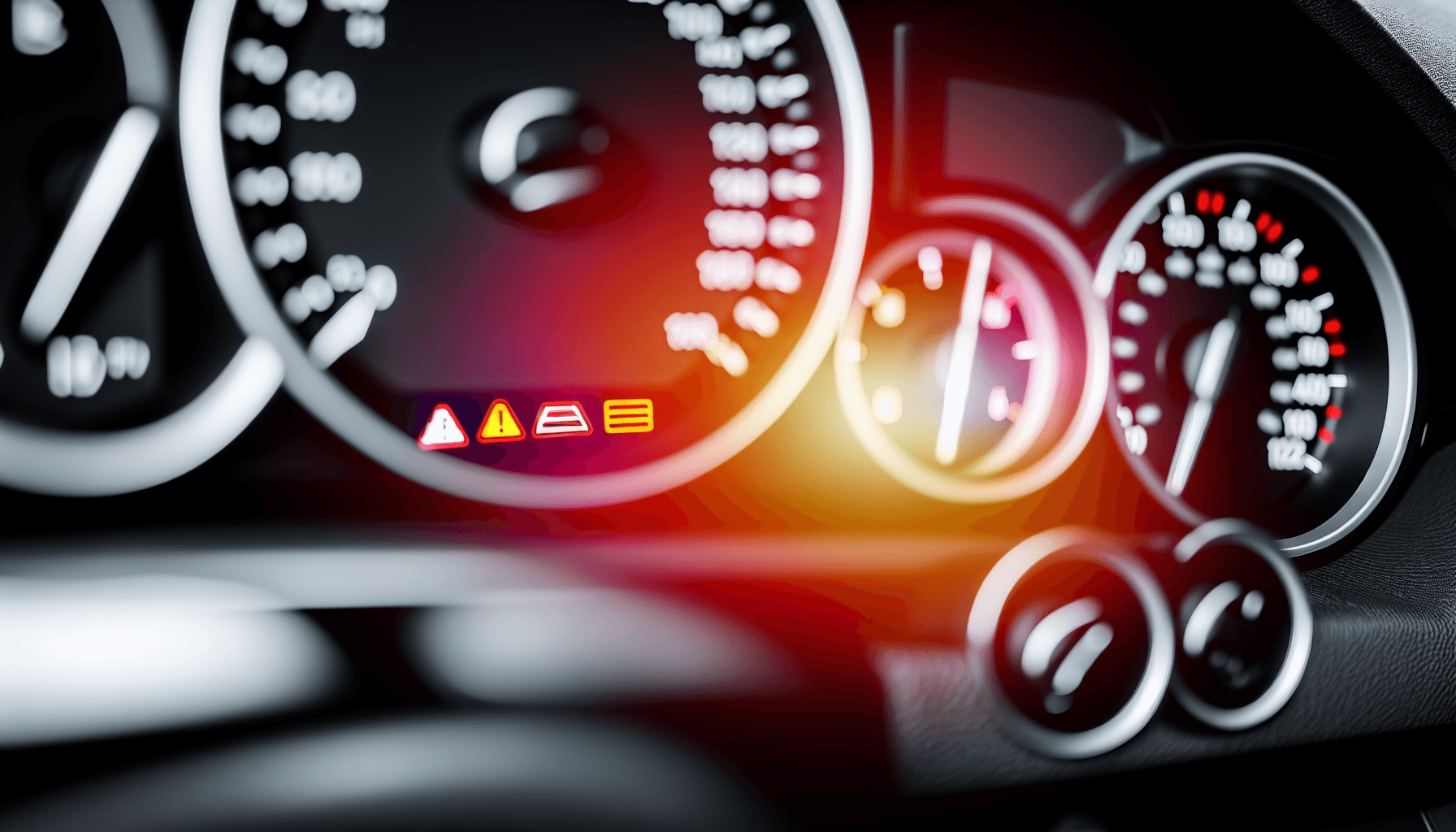
Your car's dashboard serves as mission control, constantly monitoring dozens of systems and alerting you when something needs attention. Understanding these warning lights can mean the difference between a minor repair and a major breakdown. Modern vehicles feature increasingly sophisticated monitoring systems, with some cars having over 60 different warning indicators.
According to AAA's 2026 Vehicle Technology Survey, 78% of drivers can't identify more than five dashboard warning lights correctly. This knowledge gap leads to unnecessary roadside emergencies and costly repairs that could have been prevented with early intervention.
The Most Critical Warning Lights You Must Know
Engine/Check Engine Light
The check engine light represents your vehicle's most important warning system. When it appears, your car's computer has detected an issue with the engine, emissions system, or related components. A solid light typically indicates a less urgent problem, while a flashing check engine light signals severe engine damage requiring immediate attention.
Common causes include faulty oxygen sensors, loose gas caps, catalytic converter problems, or mass airflow sensor issues. Ignoring this light can lead to repair bills exceeding $4,000, according to CarMD's 2026 Vehicle Health Index.
Oil Pressure Warning Light
This red oil can symbol indicates dangerously low oil pressure, which can destroy your engine within minutes. When this light appears, stop driving immediately and check your oil level. Low oil pressure can result from insufficient oil, oil pump failure, or internal engine damage.
Engine Temperature Warning Light
Overheating damages engines quickly and expensively. This thermometer-like symbol warns that your engine temperature has exceeded safe operating limits. Continuing to drive with an overheated engine can cause cylinder head warping, blown head gaskets, or complete engine failure.
Battery/Charging System Light
This battery-shaped symbol indicates your charging system isn't working properly. Your car runs on battery power when the alternator fails, giving you limited driving time before the vehicle stops running completely. Modern cars typically provide 30-60 minutes of operation on battery power alone.
Brake System Warning Lights
Brake Warning Light
A red "BRAKE" light or circle with an exclamation point indicates brake system problems. This could mean low brake fluid, worn brake pads, or brake system failure. Your brakes are your vehicle's most critical safety system, so this warning requires immediate attention.
ABS Warning Light
The ABS (Anti-lock Braking System) light indicates a problem with your electronic brake assistance system. While your regular brakes still function, you've lost the anti-lock feature that prevents wheel lockup during emergency braking. Regular brake maintenance helps prevent many ABS-related issues.
Transmission and Drivetrain Alerts
Transmission Temperature Warning
This thermometer with gear symbol warns of transmission overheating. Automatic transmissions generate significant heat, and overheating can cause expensive internal damage. Transmission rebuilds typically cost $3,000-$5,000 in 2026.
All-Wheel Drive/4WD Warning
These lights indicate problems with your vehicle's all-wheel or four-wheel drive system. Depending on the specific issue, you may lose traction capabilities or experience drivetrain damage.
Tire and Safety System Warnings
Tire Pressure Monitoring System (TPMS)
This horseshoe-shaped light with an exclamation point indicates one or more tires has significantly low pressure. Underinflated tires reduce fuel economy, cause premature tire wear, and increase blowout risk. The system typically triggers when tire pressure drops 25% below recommended levels.
Stability Control Warning
This car-with-skid-marks symbol indicates your electronic stability control system is either malfunctioning or actively working to maintain vehicle control. A flashing light means the system is currently stabilizing your vehicle, while a solid light indicates a system malfunction.
When Warning Lights Require Immediate Action
Some dashboard warnings demand you stop driving immediately:
- Oil pressure warning (red oil can)
- Engine temperature warning (red thermometer)
- Brake system warning (red BRAKE light)
- Power steering failure (red steering wheel)
- Severe overheating indicators
Other lights allow continued driving but require prompt attention:
- Check engine light (solid, not flashing)
- Battery/charging system light
- ABS warning light
- TPMS warning light
The Hidden Costs of Ignoring Warning Lights
Delaying action on dashboard warnings creates expensive consequences. The Automotive Service Association's 2026 Repair Cost Analysis reveals that minor issues left unaddressed typically become major repairs costing 300-500% more than early intervention would have required.
For example, a failing oxygen sensor triggering the check engine light costs approximately $400 to replace. Ignoring this warning can damage your catalytic converter, resulting in repairs exceeding $2,500. Common maintenance mistakes like ignoring warning lights rank among the costliest errors vehicle owners make.
Modern Dashboard Technology in 2026
Today's vehicles feature increasingly sophisticated warning systems. Many cars now provide detailed information displays explaining specific problems rather than generic warning symbols. Some luxury vehicles offer predictive maintenance alerts, warning of potential issues before they cause problems.
Connected car technology allows some vehicles to automatically schedule service appointments or contact emergency services during critical failures. However, understanding basic warning light meanings remains essential for every driver.
What Auto Warranties Typically Cover
Many dashboard warning lights indicate problems that extended auto warranties may cover, depending on your specific plan. Electronic system failures, engine problems, and transmission issues often fall under comprehensive coverage plans. However, routine maintenance items like low tire pressure or expired engine oil aren't typically covered. Remember, every warranty plan is different. Check with your provider for exact coverage information.
Taking Action: Your Dashboard Warning Response Plan
- Identify the warning light using your owner's manual or reliable online resources
- Assess urgency based on color and symbol type
- Take immediate action for red warnings indicating safety-critical systems
- Schedule service promptly for yellow/amber warnings
- Document the warning including when it appeared and driving conditions
Keeping a maintenance log helps identify patterns and provides valuable information for diagnostic procedures. Regular maintenance not only prevents many warning light scenarios but also maintains your vehicle's value over time.
Conclusion
Your dashboard warning lights serve as an early warning system designed to protect your investment and ensure your safety. Understanding these signals empowers you to make informed decisions about when to continue driving and when to seek immediate professional help.
The key to managing dashboard warnings effectively is education, prompt action, and regular maintenance. Modern vehicles provide sophisticated monitoring capabilities, but they're only valuable if drivers understand and respond appropriately to the information provided.
Don't let a small amber light become a major red-light emergency. Stay informed, stay safe, and keep your vehicle running reliably for years to come.