When to Replace Brake Pads and Rotors: Complete Guide
When to Replace Brake Pads and Rotors: Complete Guide
Your car's brakes are arguably the most important safety feature on your vehicle. Yet, many drivers ignore the warning signs until they hear that unmistakable metal-on-metal grinding sound. Trust me, you don't want to wait that long to replace your brake components.
I remember when my neighbor ignored his squealing brakes for months, thinking he could squeeze out a few more miles. One rainy morning, he couldn't stop in time at a busy intersection. Thankfully, nobody was hurt, but his "minor" brake repair turned into a major expense involving new rotors, pads, and even some suspension work.
Understanding How Your Brakes Work
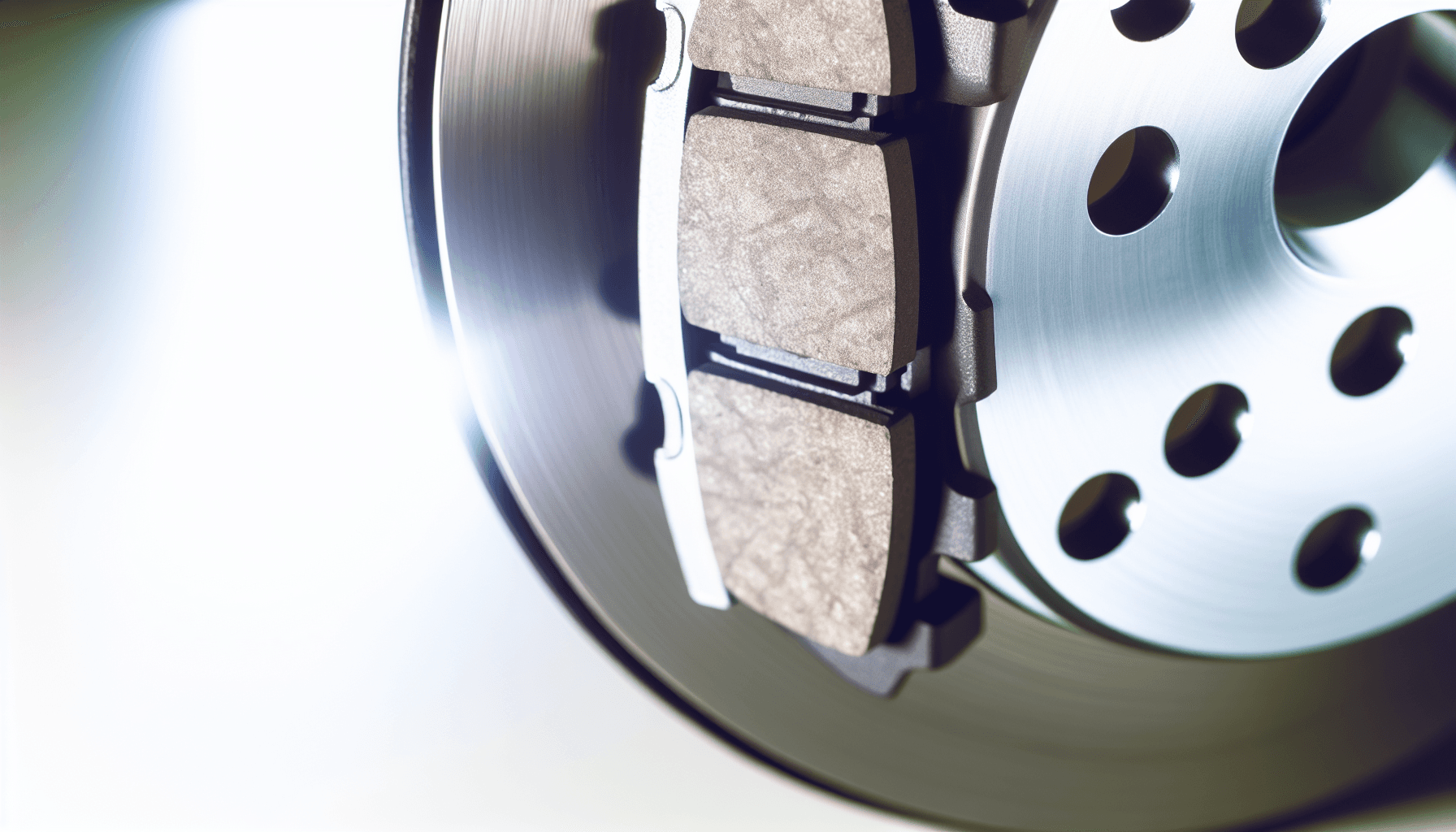
Before diving into when to replace brake components, let's quickly cover how your braking system works. When you press the brake pedal, brake fluid travels through lines to activate calipers that squeeze brake pads against rotating discs called rotors. This friction slows your vehicle.
The brake pads are designed to wear down over time – they're essentially sacrificial components that protect the more expensive rotors. When pads wear too thin, the metal backing plate contacts the rotor, causing damage that's much costlier to repair.
Warning Signs It's Time to Replace Brake Pads
Squealing or Squeaking Sounds
Most brake pads have built-in wear indicators – small metal tabs that create a high-pitched squeal when the pad material gets thin. This isn't a sound you can ignore forever. While some squeaking might occur in wet conditions or after your car sits overnight, persistent squealing during normal braking is your first warning.
Grinding Noises
If you hear grinding when braking, you've likely waited too long. This means the pad material is completely worn away, and metal is grinding against metal. At this point, you're not just looking at replacing pads – you'll probably need new rotors too.
Longer Stopping Distances
Have you noticed it takes longer to stop than usual? Worn brake pads reduce braking efficiency, requiring more pressure and distance to bring your vehicle to a complete stop. This is incredibly dangerous, especially in emergency situations.
Brake Pedal Vibration
If your brake pedal pulses or vibrates when you apply pressure, it could indicate warped rotors or severely worn pads. This pulsing feeling often becomes more pronounced during highway braking.
Visual Inspection
You can actually see your brake pads through the spokes of most wheels. New pads are typically about half an inch thick. If they look less than a quarter-inch thick, it's time to replace them. Also, look for uneven wear patterns, which might indicate alignment issues or sticky brake calipers.
When Do Rotors Need Replacement?
Thickness Measurements
Every rotor has a minimum thickness specification stamped on it. When rotors wear below this measurement, they must be replaced. Most shops measure rotor thickness during brake inspections.
Visible Damage
Look for deep grooves, cracks, or heat spots (discolored areas) on the rotor surface. Light surface scratches are normal, but deep gouges or cracks mean replacement is necessary.
Warping
Warped rotors cause that pulsing feeling in your brake pedal and steering wheel. While mild warping can sometimes be corrected by resurfacing, severely warped rotors need replacement.
Heat Damage
If you've been driving with worn brake pads, excessive heat can damage rotors beyond repair. Heat-damaged rotors often show blue or purple discoloration.
Typical Replacement Intervals
Brake Pads
Most brake pads last between 25,000 to 65,000 miles, depending on your driving habits and pad material. City driving with frequent stop-and-go traffic wears pads faster than highway driving. Aggressive drivers who brake hard regularly will see shorter pad life.
Brake Rotors
Rotors typically last longer than pads – often 50,000 to 80,000 miles. However, if you regularly drive with worn pads, rotors can be damaged much sooner. Quality rotors that are properly maintained can sometimes last 100,000 miles or more.
Factors That Affect Brake Component Lifespan
Driving Style
Hard braking generates more heat and friction, wearing components faster. If you're someone who waits until the last second to brake, expect more frequent replacements.
Vehicle Weight
Heavier vehicles put more stress on brake components. That's why trucks and SUVs often need brake work more frequently than compact cars.
Terrain
Mountainous or hilly driving requires more braking, especially on long descents. If you regularly drive in these conditions, inspect your brakes more frequently.
Quality of Components
Cheap brake pads might save money upfront but often wear out faster and can damage rotors. Investing in quality components usually pays off in the long run.
DIY vs Professional Replacement
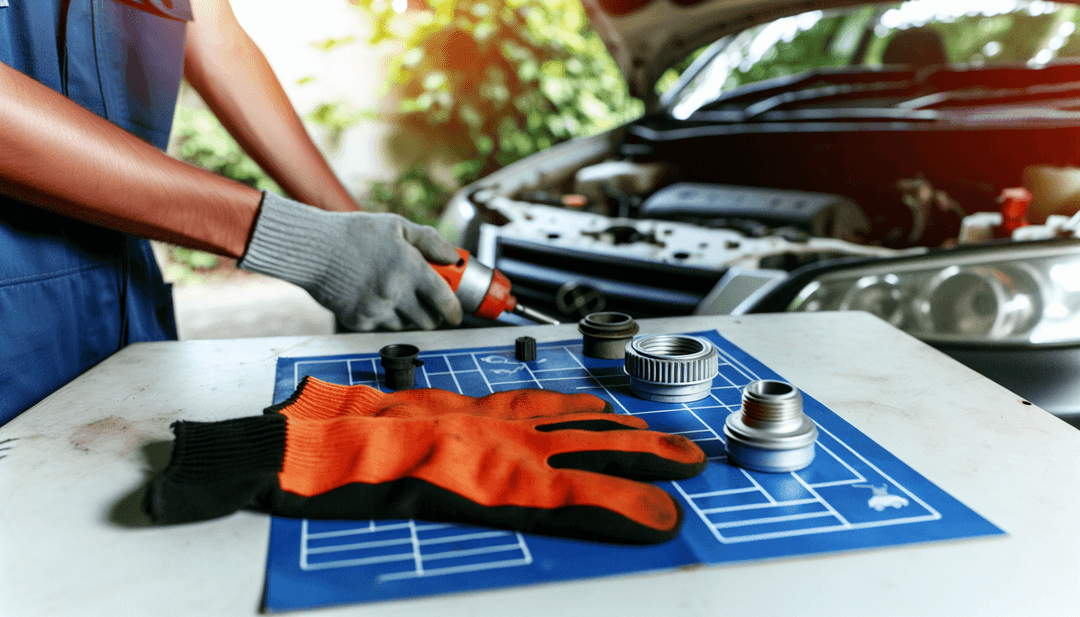
While changing brake pads isn't rocket science, it's not a job I'd recommend for inexperienced DIYers. Brake work involves your safety and that of others on the road. Plus, you need specific tools and knowledge about proper torque specifications, brake bleeding procedures, and component compatibility.
Most brake jobs also require some level of rotor work, whether that's resurfacing or replacement. This requires specialized equipment most home mechanics don't have.
Cost Considerations
Brake pad replacement typically runs $150-$400 per axle, depending on your vehicle and pad quality. If rotors need replacement too, add another $200-$500 per axle. While this might seem expensive, it's nothing compared to the cost of an accident caused by brake failure.
Here's where extended warranty coverage can be helpful. Some comprehensive plans may cover brake component replacement, though this varies significantly between providers. Keep in mind that coverage specifics depend on your warranty provider and plan level. If you're experiencing multiple warning signs that your vehicle needs attention, you might want to check out our guide on signs your car needs warranty protection to understand what options might be available.
Conclusion
Your brakes aren't something to gamble with. Pay attention to the warning signs: squealing, grinding, longer stopping distances, or pedal vibration. Regular inspections can catch problems early when they're less expensive to fix.
Remember, brake maintenance isn't just about avoiding costly repairs – it's about keeping you and your family safe on the road. When in doubt, have a qualified mechanic inspect your brake system. The peace of mind is worth every penny.
Just like knowing when to change your oil, understanding your brake system's needs is essential for vehicle longevity and safety. Don't wait until you hear grinding – by then, a simple pad replacement has turned into a much more expensive repair job.