Check Engine Light On? Here's What You Need to Know
Understanding Your Check Engine Light
Seeing your check engine light illuminate on the dashboard can be frustrating, especially when your vehicle seems to be running normally. This amber or yellow warning light is part of your vehicle's onboard diagnostics system (OBD-II), which monitors dozens of sensors and components throughout your engine and emissions systems.
The check engine light serves as an early warning system, alerting you to potential problems before they become major repairs. According to automotive industry data, ignoring this warning can lead to repair costs that are 3-5 times higher than addressing the issue promptly.
What Triggers the Check Engine Light
Your vehicle's computer continuously monitors engine performance, emissions components, and related systems. When it detects a problem that could affect performance or emissions, it stores a diagnostic trouble code (DTC) and illuminates the check engine light.
Common triggers include:
- Oxygen sensor failures (accounting for roughly 40% of check engine light cases)
- Catalytic converter problems (typically 25% of cases)
- Mass airflow sensor issues (about 15% of cases)
- Spark plug or ignition coil problems (10-15% of cases)
- Loose or faulty gas cap (5-10% of cases)
Immediate vs. Non-Urgent Issues
A solid check engine light typically indicates a non-urgent issue that requires attention within a reasonable timeframe. However, a flashing check engine light signals a severe problem that could cause immediate engine damage, such as engine misfiring that can destroy your catalytic converter.
If your check engine light is flashing, pull over safely and turn off the engine immediately. Continuing to drive with a flashing light can result in thousands of dollars in additional damage.
Diagnosing the Problem
Getting a Diagnostic Scan
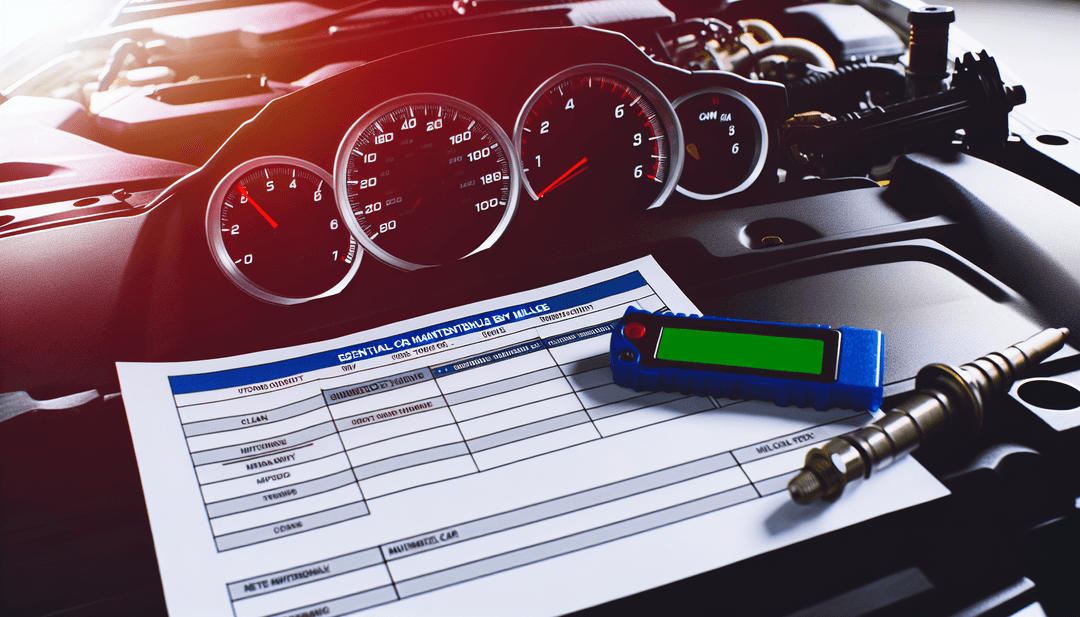
The first step in addressing a check engine light is obtaining the diagnostic trouble codes stored in your vehicle's computer. Many auto parts stores offer free code reading, or you can purchase an OBD-II scanner for $20-100.
However, don't assume the diagnostic code tells the complete story. A code indicating "oxygen sensor circuit malfunction" doesn't necessarily mean you need a new oxygen sensor. The problem could be a vacuum leak, exhaust leak, or faulty wiring affecting the sensor's readings.
Professional Diagnosis Value
While code readers provide starting points, proper diagnosis often requires professional expertise. A qualified technician can perform additional tests to pinpoint the root cause, potentially saving you from unnecessary part replacements.
For example, replacing an oxygen sensor that isn't actually faulty won't fix the underlying issue causing the error code, and you'll likely see the check engine light return within days or weeks.
Common Causes and Solutions
Loose Gas Cap
One of the simplest causes is a loose, damaged, or missing gas cap. Modern vehicles monitor the fuel system for leaks, and an improperly sealed cap triggers the light. Check that your gas cap clicks several times when tightening, and inspect it for cracks or damaged seals.
Oxygen Sensor Replacement
Oxygen sensors typically last 60,000-100,000 miles and cost $100-300 to replace. These sensors help optimize your air-fuel mixture for efficiency and emissions compliance. A failing oxygen sensor can reduce fuel economy by up to 40%.
Catalytic Converter Issues
Catalytic converter problems often result from neglected maintenance elsewhere in the system. These expensive components ($500-2,500 to replace) can fail prematurely due to engine misfires, contaminated fuel, or worn oxygen sensors.
Mass Airflow Sensor Problems
A dirty or faulty mass airflow sensor affects engine performance and fuel economy. Cleaning the sensor with specialized cleaner costs under $10, while replacement typically runs $150-400.
When to Take Immediate Action
Seek immediate professional attention if you experience:
- Flashing check engine light
- Reduced power or rough idling
- Unusual noises or vibrations
- Overheating
- Strong fuel or burning odors
These symptoms combined with an illuminated check engine light often indicate serious problems requiring prompt diagnosis and repair.
Prevention and Maintenance
Many check engine light issues stem from deferred maintenance. Following a proper maintenance schedule significantly reduces the likelihood of unexpected warning lights.
Key preventive measures include:
- Regular oil changes using manufacturer-specified oil
- Timely replacement of air filters
- Using quality fuel and occasional fuel system cleaning
- Addressing small issues before they cascade into larger problems
Understanding Warning Signs
Recognizing critical warning signs early can prevent many check engine light scenarios. Unusual engine noises, performance changes, or other dashboard lights often precede check engine light activation.
Cost Considerations
Check engine light repairs vary dramatically in cost. Simple fixes like tightening a gas cap cost nothing, while major issues like catalytic converter replacement can exceed $2,000. The average repair cost nationwide is approximately $400, but early intervention typically keeps costs well below this figure.
For vehicles with higher mileage or those prone to expensive repairs, extended warranty coverage may help manage unexpected costs. Quality extended warranties typically include diagnostic coverage and may cover many common check engine light repairs, depending on your specific plan terms.
Taking Action
When your check engine light appears, don't panic, but don't ignore it either. Start with a diagnostic scan to identify the stored codes, then research the potential causes or consult with a qualified technician.
Remember that addressing the issue promptly almost always costs less than waiting. Many minor problems that trigger the check engine light can evolve into major repairs if left unattended.
Maintaining detailed records of all maintenance and repairs helps identify patterns and can be valuable when discussing issues with service professionals. This documentation also supports warranty claims and enhances your vehicle's resale value.
Your check engine light is designed to protect your investment by alerting you to problems early. Responding appropriately to this warning helps ensure reliable transportation while minimizing repair costs.
Disclaimer: The coverage mentioned is general information. Your specific warranty terms may vary.