Car Maintenance Schedule Guide for 2026
Car Maintenance Schedule Guide for 2026
Following a proper car maintenance schedule isn't just about keeping your vehicle running—it's about protecting your investment and avoiding costly repairs down the road. The average American spends over $1,200 annually on vehicle maintenance and repairs, but those who stick to a regular schedule often pay significantly less while enjoying better reliability.
A well-planned car maintenance schedule serves as your roadmap for keeping every system in your vehicle operating at peak performance. Let's break down exactly when and how to maintain your vehicle for optimal results.
Understanding Modern Maintenance Requirements
Today's vehicles are more sophisticated than ever, with advanced computer systems monitoring everything from engine performance to tire pressure. This technology has actually simplified maintenance scheduling in many ways, as your vehicle can now alert you to specific needs rather than relying on generic timeframes.
Modern engines typically last longer between service intervals compared to vehicles from previous decades. Where older cars might have required oil changes every 3,000 miles, many 2026 models can safely go 7,500 to 10,000 miles between changes, depending on driving conditions and oil type.
However, this extended reliability comes with a catch—when modern systems do fail, repairs tend to be more complex and expensive. That's why following manufacturer recommendations becomes even more critical.
Creating Your Personal Maintenance Calendar
Your car maintenance schedule should account for three key factors: mileage intervals, time intervals, and seasonal requirements. Some maintenance tasks are purely mileage-based, while others depend on time regardless of how much you drive.
Monthly Inspections
Set aside time each month to check your vehicle's basic systems. This includes inspecting tire pressure and tread depth, testing all lights and signals, checking fluid levels (oil, coolant, brake fluid, windshield washer), and examining belts and hoses for wear.
These monthly checks take about 15 minutes but can identify problems before they become expensive repairs. Many drivers overlook these simple inspections, yet they're among the most cost-effective preventive measures available.
Quarterly Service Points
Every three months, expand your inspection to include battery terminals, air filter condition, and cabin air filter replacement if needed. Clean battery terminals prevent starting issues, while clean air filters improve fuel economy and engine performance.
This is also an ideal time to rotate your tires if you haven't done so recently. Proper tire rotation extends tire life by 20,000 miles or more in many cases.
Semi-Annual Maintenance
Twice yearly, typically in spring and fall, conduct more thorough inspections. Check your cooling system, test your battery's charging capacity, inspect brake components, and examine your exhaust system for leaks or damage.
Seasonal transitions are perfect timing for these inspections because they prepare your vehicle for upcoming weather challenges. Seasonal car care tips for every climate zone can help you customize this maintenance for your specific location.
Mileage-Based Maintenance Milestones
While time-based maintenance handles routine inspections, mileage-based service addresses wear items that depend on actual vehicle use.
5,000-7,500 Mile Services
Most vehicles need oil changes within this range, though some can go longer. Your owner's manual provides the exact interval for your specific engine and oil type. Don't guess—how often you should change your oil depends on multiple factors specific to your driving habits.
This service interval also typically includes tire rotation and basic safety inspections.
15,000-30,000 Mile Services
Mid-range mileage services often include air filter replacement, cabin air filter changes, and more thorough brake inspections. Some vehicles may require transmission service or coolant system maintenance at these intervals.
60,000+ Mile Services
Higher mileage brings more intensive maintenance requirements. Timing belt replacement, major transmission service, and cooling system overhauls often occur in this range. These services cost more upfront but prevent catastrophic failures that could total your vehicle.
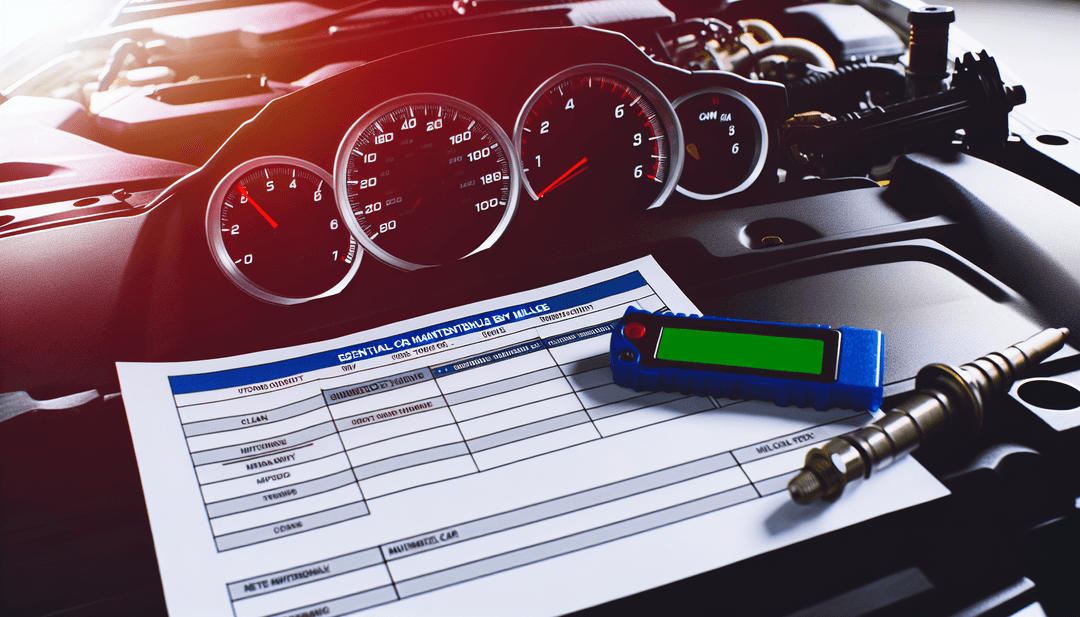
For detailed mileage-specific requirements, consult our essential car maintenance schedule by mileage guide for comprehensive interval breakdowns.
Digital Tools and Record Keeping
Modern maintenance scheduling benefits greatly from digital assistance. Many automakers now offer smartphone apps that track your specific vehicle's maintenance needs based on actual driving data.
These apps consider factors like driving conditions, climate, and usage patterns to provide personalized recommendations. They're far more accurate than generic schedules because they account for your specific situation.
Keep digital or physical records of all maintenance performed. These records prove valuable for warranty claims, resale value, and tracking recurring issues. Regular maintenance can boost your car's resale value by demonstrating proper care to potential buyers.
Warning Signs That Override Your Schedule
While scheduled maintenance forms your foundation, certain warning signs demand immediate attention regardless of timing. Critical warning signs your car needs immediate help include unusual noises, vibrations, fluid leaks, or dashboard warning lights.
Your vehicle's computer systems continuously monitor performance and can detect problems before they appear on your maintenance schedule. Understanding your car's dashboard warning lights helps you respond appropriately when these alerts appear.
Cost Management and Protection
Following a proper maintenance schedule prevents many expensive repairs, but it doesn't eliminate all risk. Major component failures can still occur despite perfect maintenance, especially as vehicles age.
Many vehicle owners find that extended warranty coverage provides valuable peace of mind for unexpected repairs that fall outside routine maintenance. These plans may cover costly repairs to engines, transmissions, and electronic systems that routine maintenance can't prevent. Note: Warranty coverage varies by provider and specific plan. Always review your contract for exact coverage details.
Avoiding common maintenance mistakes helps ensure your schedule actually protects your investment rather than creating new problems.
Seasonal Schedule Adjustments
Your maintenance schedule should adapt to seasonal changes and driving conditions. Winter driving demands more frequent battery testing and tire inspections, while summer heat stresses cooling systems and air conditioning components.
Extreme weather, frequent short trips, towing, and stop-and-go traffic all qualify as "severe" driving conditions that may require more frequent service intervals.
Professional vs. DIY Maintenance
Determine which maintenance tasks you can safely perform yourself and which require professional service. Basic inspections, fluid checks, and simple replacements like air filters are often DIY-friendly.
However, complex systems like brakes, transmissions, and computer diagnostics typically require professional expertise and specialized tools. Attempting repairs beyond your skill level can create safety hazards and void warranties.
A well-executed car maintenance schedule serves as your best defense against unexpected breakdowns and costly repairs. By following manufacturer recommendations, staying alert to warning signs, and keeping detailed records, you'll maximize your vehicle's reliability while minimizing long-term ownership costs. Your future self—and your wallet—will thank you for the discipline you show today.