Preventive Maintenance: Your Complete Guide
Preventive Maintenance: Your Complete Guide
Preventive maintenance represents one of the most cost-effective strategies for protecting your vehicle investment. According to AAA data, drivers who follow proper maintenance schedules spend 40% less on major repairs over their vehicle's lifetime compared to those who skip routine care.
This proactive approach to vehicle care involves performing scheduled maintenance tasks before problems occur, rather than waiting for breakdowns. The difference between preventive maintenance and reactive repairs can mean the difference between spending $50 on an oil change versus $5,000 on engine replacement.
What Is Preventive Maintenance?
Preventive maintenance encompasses all scheduled services and inspections designed to keep your vehicle operating safely and efficiently. Unlike emergency repairs that address problems after they occur, preventive maintenance identifies and prevents issues before they become costly failures.
The concept originated in the aviation industry, where mechanical failures carry catastrophic consequences. Automotive manufacturers adapted these principles, developing maintenance schedules based on extensive testing and real-world data.
Core Components of Preventive Maintenance
Preventive maintenance covers several critical vehicle systems:
Engine Care: Regular oil changes, filter replacements, and fluid monitoring prevent internal damage and maintain optimal performance.
Transmission Service: Fluid changes and inspections prevent costly transmission failures that average $3,500 to repair.
Brake System: Pad replacements and fluid changes ensure safety while preventing rotor damage that doubles repair costs.
Cooling System: Coolant flushes and thermostat checks prevent overheating that can destroy engines.
Electrical System: Battery testing and alternator checks prevent roadside breakdowns and starting issues.
Benefits of Preventive Maintenance
Cost Savings
Data from the Car Care Council shows that every dollar spent on preventive maintenance saves drivers $4 in major repair costs. Regular maintenance identifies problems when they're minor and inexpensive to fix.
For example, replacing a worn serpentine belt costs approximately $75. Ignoring this maintenance can lead to alternator, power steering pump, or air conditioning compressor failure - repairs that easily exceed $1,500.
Extended Vehicle Life
Vehicles following manufacturer maintenance schedules typically last 200,000+ miles, compared to 150,000 miles for poorly maintained vehicles. This represents a 33% increase in useful life, significantly improving your return on investment.
Improved Safety
The National Highway Traffic Safety Administration reports that 12% of vehicle crashes result from mechanical failures. Preventive maintenance addresses safety-critical components before they fail, protecting you and other drivers.
Better Fuel Economy
Proper maintenance maintains your vehicle's efficiency. The EPA estimates that well-maintained vehicles achieve up to 10% better fuel economy than neglected ones. With average annual driving costs exceeding $3,000, this improvement saves hundreds yearly.
Higher Resale Value
Maintained vehicles retain significantly more value. Kelley Blue Book data indicates that documented maintenance history can increase resale value by 15-25%. This translates to thousands of additional dollars when selling or trading.
Essential Preventive Maintenance Tasks
Engine Oil and Filter Changes
Engine oil lubricates moving parts, reduces friction, and removes contaminants. Modern conventional oils require changes every 5,000-7,500 miles, while full synthetic oils extend intervals to 10,000 miles.
Skipping oil changes leads to sludge buildup, increased wear, and eventual engine seizure. Engine replacement costs typically range from $4,000-$8,000, making regular oil changes the most cost-effective maintenance investment.
Tire Care and Rotation
Tires require rotation every 6,000-8,000 miles to ensure even wear patterns. Proper rotation extends tire life by 20-30%, saving hundreds on premature replacements.
Regular pressure checks prevent blowouts and improve fuel economy. Under-inflated tires increase rolling resistance, reducing fuel efficiency by up to 3%.
Brake System Maintenance
Brake pad replacement every 25,000-60,000 miles (depending on driving habits) prevents rotor damage. Replacing pads costs $150-$300, while rotor replacement adds $200-$400 per axle.
Brake fluid changes every 2-3 years prevent moisture contamination that causes internal component corrosion and brake failure.
Transmission Service
Transmission fluid changes every 30,000-60,000 miles prevent internal damage. Automatic transmissions contain hundreds of precisely engineered components that require clean fluid for proper operation.
Transmission rebuilds average $3,500, making fluid changes one of the highest-return maintenance investments.
Cooling System Care
Coolant flushes every 30,000-50,000 miles remove corrosive deposits and maintain proper heat transfer. Overheating can warp cylinder heads, crack engine blocks, or damage head gaskets - repairs often exceeding $2,500.
Thermostat replacement during coolant service prevents sudden failures that can cause catastrophic overheating.
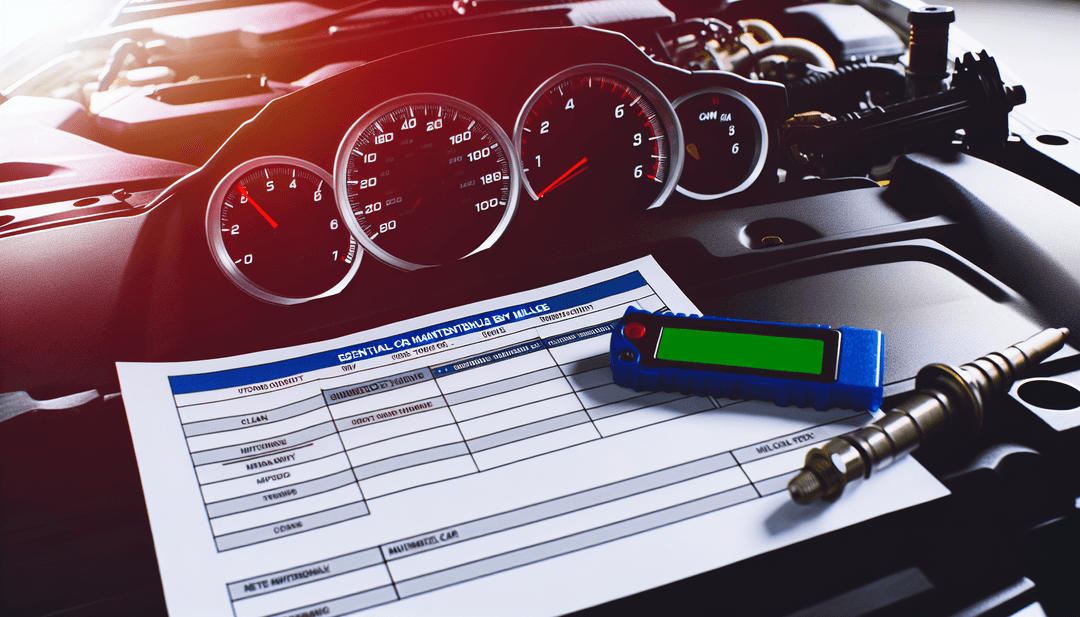
Creating Your Maintenance Schedule
Following Manufacturer Recommendations
Your owner's manual contains manufacturer-specific maintenance schedules based on extensive testing. These schedules account for your vehicle's design, tolerances, and expected operating conditions.
Manufacturers typically provide two schedules: normal and severe driving conditions. Severe conditions include:
- Short trips under 5 miles
- Extreme temperatures
- Dusty or sandy environments
- Towing or hauling
- Stop-and-go traffic
Most drivers actually operate under severe conditions but follow normal maintenance schedules, leading to premature wear.
Seasonal Considerations
Seasonal transitions require specific maintenance attention. Spring preparation includes battery testing, air conditioning service, and tire inspection after winter road damage.
Fall preparation focuses on heating system checks, antifreeze concentration testing, and winter tire installation in cold climates.
Digital Tracking Tools
Modern maintenance tracking apps simplify schedule management. These tools send reminders based on mileage or time intervals and store digital maintenance records valuable for warranty claims and resale.
Common Preventive Maintenance Mistakes
Extending Service Intervals
Manufacturer intervals represent minimum requirements under ideal conditions. Extending intervals to save money typically results in higher long-term costs.
Ignoring Severe Service Conditions
Most drivers underestimate how their driving habits qualify as severe service. Urban driving with frequent stops qualifies as severe service, requiring more frequent maintenance.
Using Incorrect Fluids
Modern vehicles require specific fluid formulations. Using incorrect oil viscosity, transmission fluid type, or coolant can damage components and void warranties.
Skipping Minor Services
Ignoring "minor" services like cabin air filter replacement affects air quality and HVAC system efficiency. These small oversights compound into larger problems.
Professional vs. DIY Maintenance
When to Use Professionals
Complex systems require professional service. Transmission work, brake system bleeding, and electrical diagnostics need specialized tools and expertise.
Professional service also provides warranty protection. Many extended auto warranties require professional maintenance to maintain coverage eligibility.
DIY Opportunities
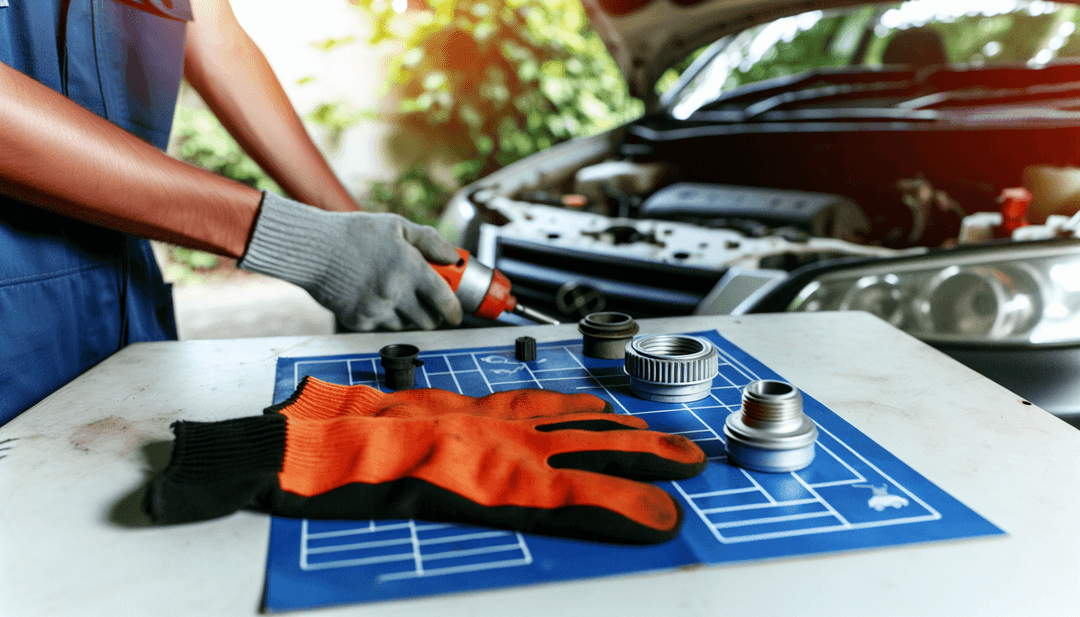
Simple tasks like air filter replacement, fluid level checks, and tire pressure monitoring can be performed by most vehicle owners. These tasks save money while helping you understand your vehicle better.
However, document all DIY maintenance with receipts and photos for warranty purposes.
Preventive Maintenance and Warranty Coverage
Many extended auto warranties require documented preventive maintenance to maintain coverage. This requirement protects warranty providers from claims resulting from neglect while ensuring vehicles receive proper care.
When considering warranty coverage, understand how maintenance requirements affect your protection. Some plans may cover certain maintenance items, while others focus on unexpected mechanical failures.
Disclaimer: The coverage mentioned is general information. Your specific warranty terms may vary.
Cost-Effective Maintenance Strategies
Bulk Service Planning
Scheduling multiple services simultaneously reduces labor costs. Combining oil changes with filter replacements and fluid top-offs maximizes efficiency.
Quality Parts Selection
Using OEM or equivalent-quality parts prevents premature failures. While aftermarket parts cost less initially, poor-quality components often require earlier replacement.
Building Relationships
Establishing relationships with trusted service providers can lead to better pricing, priority scheduling, and honest advice about necessary repairs.
Maintenance Records
Detailed maintenance records prove your vehicle's care to potential buyers and warranty providers. Digital records with photos and receipts provide the best documentation.
Technology and Modern Preventive Maintenance
Modern vehicles include sophisticated monitoring systems that track maintenance needs. Oil life monitors analyze driving conditions and adjust change intervals accordingly.
Onboard diagnostics can identify developing problems before they cause breakdowns. Regular diagnostic scans during routine service can catch issues early.
Smart Maintenance Reminders
Many vehicles now connect to smartphone apps that track maintenance schedules, send reminders, and even schedule service appointments. These tools eliminate the guesswork from maintenance timing.
Environmental Benefits
Proper preventive maintenance reduces environmental impact through improved fuel efficiency and longer vehicle life. Well-maintained vehicles produce fewer emissions and require fewer replacement parts.
Regular maintenance also ensures proper disposal of used fluids and worn components through certified recycling programs.
Planning for the Future
As vehicles become more complex, preventive maintenance becomes increasingly important. Electric vehicles require different maintenance approaches, while hybrid systems add complexity to traditional schedules.
Staying informed about your vehicle's specific requirements ensures optimal performance regardless of powertrain technology.
Conclusion
Preventive maintenance isn't just about following a schedule - it's about protecting your investment and ensuring reliable transportation. The statistics clearly show that proactive care costs significantly less than reactive repairs while providing better safety, performance, and resale value.
Start by reviewing your owner's manual and creating a maintenance schedule based on your actual driving conditions. Document all services and build relationships with trusted professionals who can help you maintain your vehicle properly.
Remember that preventive maintenance pays dividends far beyond the initial cost. Every dollar spent on scheduled maintenance typically saves four dollars in emergency repairs, making it one of the smartest automotive investments you can make.
For comprehensive guidance on protecting your vehicle investment beyond basic maintenance, explore our complete vehicle maintenance guide for advanced strategies and tips.