What Does It Mean If Your Check Engine Light Is On?
What Does It Mean If Your Check Engine Light Is On?
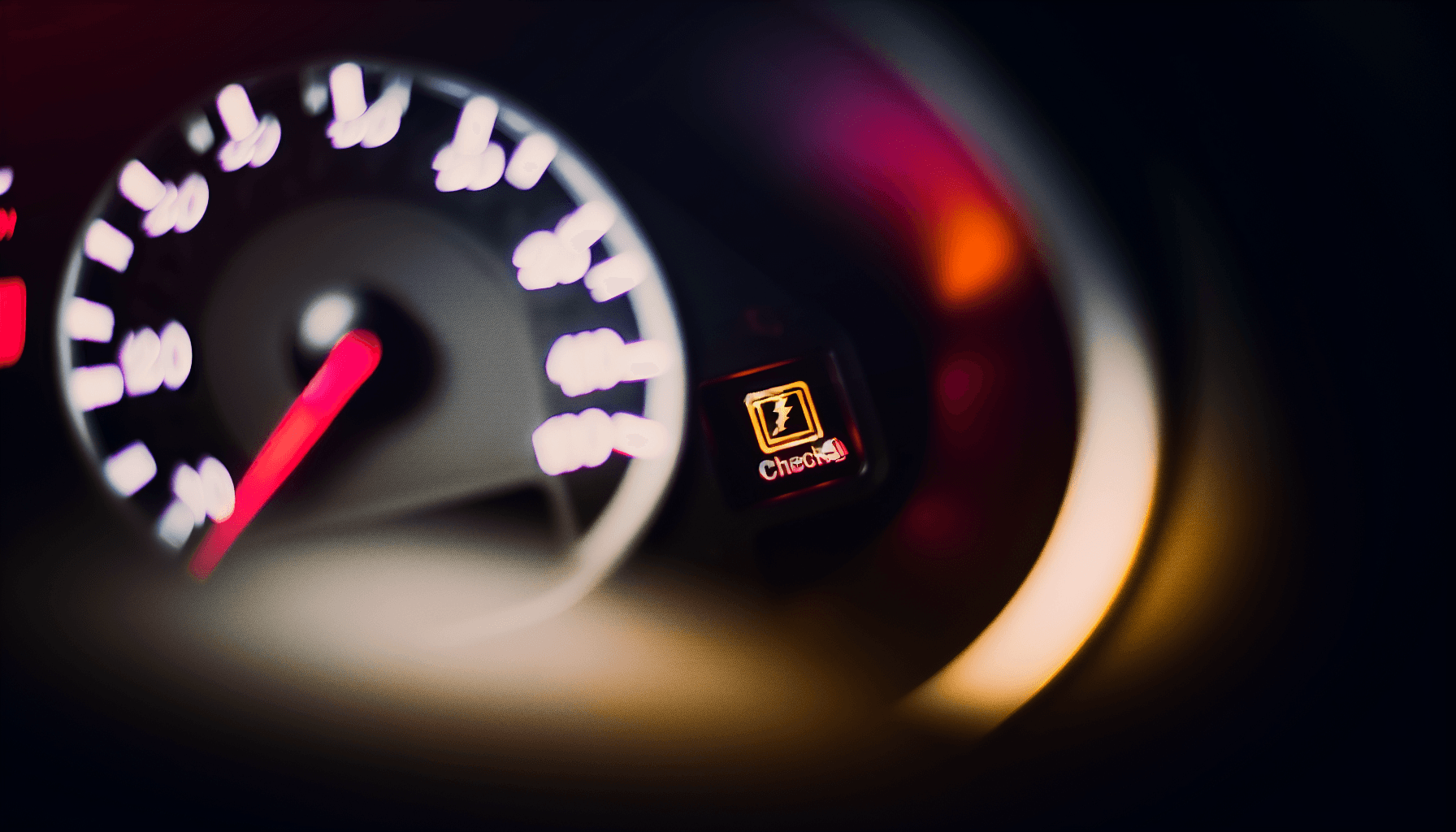
You're cruising down the highway, jamming to your favorite playlist, when suddenly that amber warning light shaped like an engine pops up on your dashboard. Your heart skips a beat, and your mind immediately jumps to worst-case scenarios. What does it mean when your check engine light decides to crash your driving party?
I remember when my neighbor called me in a panic last month. Her check engine light had been glowing for three days, and she was convinced her 2018 Honda was about to explode. Turns out, it was just a faulty oxygen sensor. But her reaction is totally normal – that little light has a way of making even the most confident drivers break into a cold sweat.
Let's dive into what this mysterious warning light is really trying to tell you and when you should actually worry about it.
Understanding Your Check Engine Light
The check engine light, also known as the malfunction indicator lamp (MIL), is your car's way of saying "Hey, something's not quite right under the hood." Think of it as your vehicle's health monitor – it's connected to your car's onboard diagnostic system, which constantly checks various engine components and emissions systems.
When this system detects something outside normal operating parameters, it triggers the light and stores a diagnostic trouble code (DTC) in your car's computer. These codes are like breadcrumbs that help mechanics figure out what's going on with your engine.
Solid vs. Flashing: The Difference Matters
Not all check engine lights are created equal. A solid light typically indicates a less urgent issue, while a flashing light means "pull over now" – you're looking at potential engine damage if you keep driving.
A flashing check engine light usually points to engine misfires that could damage your catalytic converter. Trust me, you don't want to mess around with this one. I once ignored a flashing light for "just a few more miles" and ended up with a $2,800 catalytic converter replacement.
Common Causes of Check Engine Light Activation
Minor Issues (The "Don't Panic" Category)
Loose Gas Cap This is the automotive equivalent of your smoke detector chirping because of a low battery – annoying but not dangerous. A loose, damaged, or missing gas cap can trigger the light because it affects your car's emissions system. Simply tightening or replacing the cap might solve your problem.
Faulty Oxygen Sensors These sensors monitor how much oxygen is in your exhaust. When they go bad (and they will, usually around 60,000-100,000 miles), your engine can't optimize its fuel mixture properly. You might notice decreased fuel economy, but it's not an emergency.
Mass Airflow Sensor Issues This sensor measures how much air enters your engine. A dirty or failing mass airflow sensor can cause rough idling and reduced performance, but it won't leave you stranded.
Moderate Concerns
Catalytic Converter Problems Your catalytic converter cleans up your exhaust emissions. When it starts failing, you'll often see the check engine light along with reduced power and fuel economy. The good news? Catalytic converter issues usually develop slowly.
Ignition System Components Worn spark plugs, faulty ignition coils, or bad spark plug wires can trigger the light. These components are part of regular maintenance, but neglecting them can lead to bigger problems.
Serious Issues (Time to Call for Help)
Engine Misfires When your engine isn't firing on all cylinders, you'll feel it – rough running, loss of power, and often that flashing check engine light I mentioned earlier.
Transmission Problems Yes, transmission issues can sometimes trigger the check engine light, especially in newer vehicles where the engine and transmission systems are closely integrated.
What Should You Do When the Light Comes On?
Step 1: Don't Panic (But Don't Ignore It Either)
Take a deep breath. Unless the light is flashing or you're experiencing obvious problems like overheating, strange noises, or loss of power, you probably don't need to pull over immediately.
Step 2: Check the Obvious Stuff
Before you start imagining expensive repairs, check your gas cap. Make sure it's tight and properly seated. Also, pay attention to how your car is running – any unusual sounds, vibrations, or performance issues?
Step 3: Get It Diagnosed
Many auto parts stores will read your diagnostic codes for free. While this won't tell you exactly what's wrong, it'll give you a starting point. You can also buy an inexpensive OBD-II scanner for around $30 – it's a handy tool to have.
Step 4: Decide on Urgency
If your car is running normally and the light isn't flashing, you can probably drive to a repair shop within a reasonable time. However, if you notice any performance issues or the light is flashing, it's time to get professional help immediately.
The Cost Reality Check
Here's where things get real – check engine light repairs can range from $20 for a new gas cap to several thousand dollars for major engine work. According to automotive industry data, the average check engine light repair costs around $400, but I've seen simple fixes for under $100 and major repairs that hit $5,000 or more.
This is where many car owners discover they're facing one of those warning signs that indicate you need warranty protection before major repairs drain your wallet. Modern engines are incredibly complex, and what seems like a simple issue can sometimes reveal deeper problems.
When Extended Coverage Makes Sense
I had a friend whose 2019 Ford's check engine light revealed a failing turbocharger – a $4,200 repair. Fortunately, she had extended coverage that helped with the cost. Depending on your specific warranty terms, engine-related repairs may be covered under comprehensive plans, though coverage varies significantly between providers.
If you're dealing with recurring check engine lights or driving an older vehicle, it might be worth exploring what extended auto warranty coverage actually includes. Just remember that coverage varies by provider and plan, so always read the fine print.
Prevention Tips
Regular Maintenance is Your Best Friend Staying on top of oil changes, air filter replacements, and tune-ups can prevent many check engine light scenarios. It's way cheaper to replace spark plugs on schedule than to deal with engine damage from misfires.
Don't Ignore Small Issues That rough idle or slight decrease in fuel economy could be an early warning sign. addressing small problems early often prevents bigger, more expensive ones later.
Keep Your Gas Cap Tight Seriously, this simple habit can save you unnecessary worry and diagnostic fees.
The Bottom Line
So what does it mean when your check engine light comes on? It means your car's computer has detected something worth investigating – but it doesn't necessarily mean disaster is imminent. The key is responding appropriately based on the symptoms you're experiencing.
Remember, modern cars are designed to protect themselves. Your engine management system will often put the car into "limp mode" to prevent serious damage if something major is wrong. While that's not fun, it's better than a completely destroyed engine.
The next time that amber light appears on your dashboard, take a breath, assess the situation, and get it checked out within a reasonable timeframe. Your wallet (and your stress levels) will thank you for not panicking or procrastinating.
Disclaimer: The coverage mentioned is general information. Your specific warranty terms may vary.