Powertrain vs Comprehensive Warranty: Key Differences
Understanding Powertrain vs Comprehensive Warranty: What's the Real Difference?
I remember sitting in a dealership a few years back, listening to the finance manager throw around terms like "powertrain coverage" and "comprehensive protection." Honestly? I walked out more confused than when I walked in. If you're facing the same dilemma, you're not alone. Understanding warranty options doesn't have to feel like decoding rocket science.
Let's break down these two main types of coverage in plain English, so you can make the right choice for your situation without the sales pressure.
What Exactly Is a Powertrain Warranty?
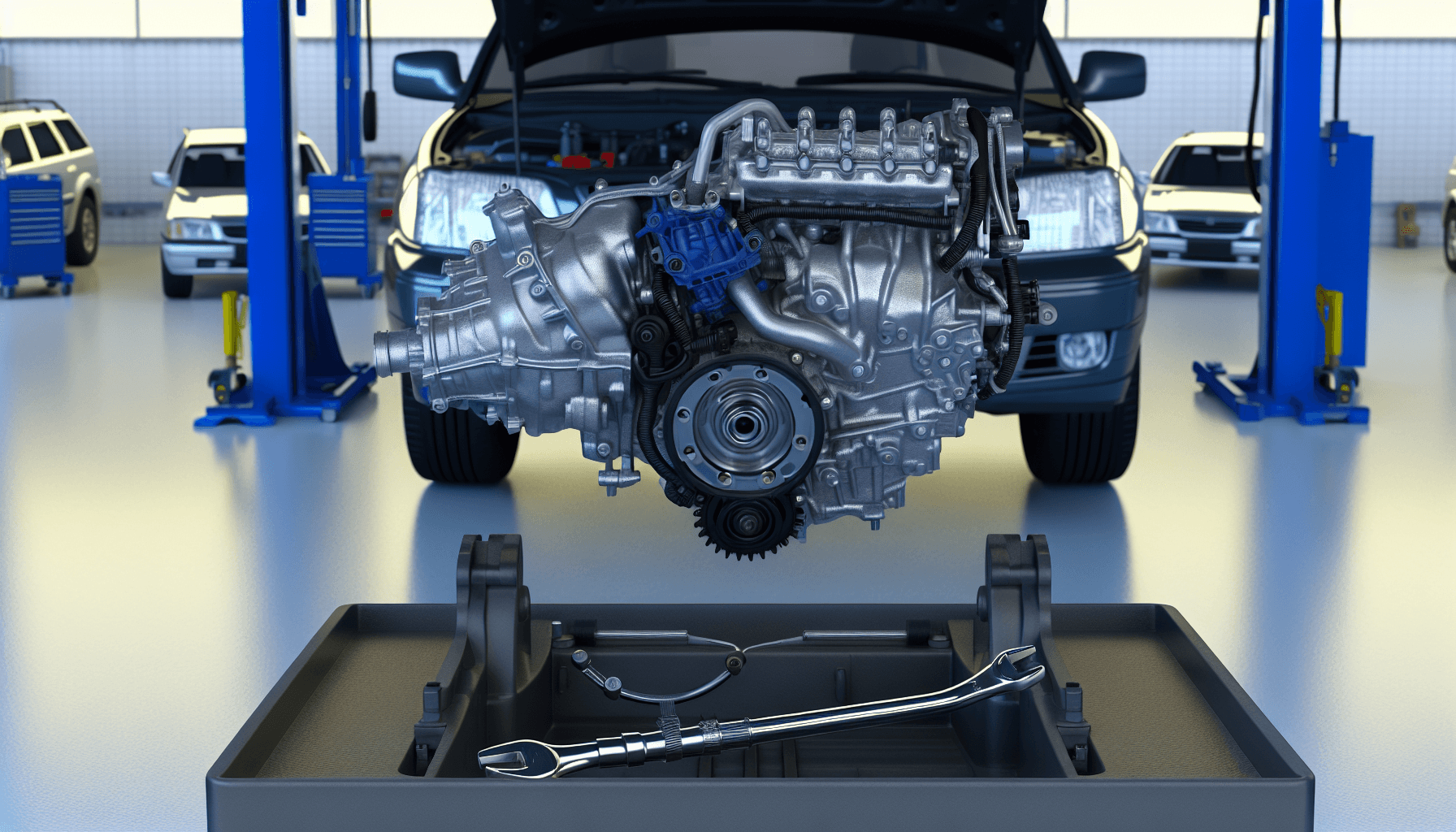
Think of your powertrain warranty as protection for your vehicle's "heart and lungs" – the essential components that make your car actually move. When we talk powertrain, we're covering the engine, transmission, and drivetrain components that transfer power to your wheels.
Core Powertrain Components Typically Covered
Here's what you can usually expect from powertrain coverage:
Engine Components:
- Engine block and internal parts
- Pistons, connecting rods, and crankshaft
- Cylinder heads and valves
- Engine mounts
- Oil pump and water pump (in most cases)
Transmission Coverage:
- Automatic or manual transmission case and internal components
- Torque converter (for automatics)
- Transmission mounts
- Transfer case (for 4WD vehicles)
Drivetrain Elements:
- Differential and axles
- CV joints and driveshafts
- Final drive components
My neighbor Jake learned about powertrain coverage the hard way when his truck's transmission started slipping at 80,000 miles. The repair estimate? Nearly $4,000. Thankfully, his powertrain warranty covered most of it, saving him thousands in unexpected expenses.
What Powertrain Warranties Don't Cover
Powertrain protection focuses on major mechanical failures, but it won't help with:
- Air conditioning systems
- Electrical components (beyond engine management)
- Suspension and steering components
- Brake systems
- Interior and exterior accessories
Comprehensive Warranty Coverage Explained
Now, comprehensive warranty coverage is like having a safety net for almost everything under the hood (and sometimes beyond). It's designed to cover powertrain components plus a whole lot more.
What Makes Comprehensive Coverage Different
Comprehensive plans typically include everything in a powertrain warranty, plus:
Electrical Systems:
- Air conditioning and heating
- Power windows and locks
- Audio system components
- Navigation systems
- Engine management computers
Comfort and Convenience Features:
- Power seats and mirrors
- Cruise control systems
- Keyless entry systems
- Interior electronics
Additional Mechanical Components:
- Fuel system components
- Cooling system parts
- Emission control systems
- Some suspension components (varies by plan)
I remember when my friend Sarah's air conditioning compressor failed during a Texas summer. Her comprehensive coverage took care of the $1,200 repair, while someone with just powertrain protection would've been stuck with the bill.
Understanding Coverage Limitations
Even comprehensive plans have boundaries. Most won't cover:
- Wear items like brake pads and tires
- Maintenance items (oil changes, filters)
- Exterior body damage
- Glass replacement
- Items damaged by neglect or abuse
Comparing Costs: What's the Investment?
Here's where the rubber meets the road – literally. Powertrain warranties typically cost less because they cover fewer components. You might pay anywhere from $800 to $2,000 for powertrain coverage, depending on your vehicle's age, mileage, and the plan's duration.
Comprehensive coverage usually runs higher – often $1,500 to $4,000 or more – because you're protecting against a wider range of potential issues.
But here's the thing: the "right" choice isn't always about the cheapest upfront cost. It's about matching coverage to your specific needs and peace of mind preferences.
Which Coverage Makes Sense for Your Situation?
Consider Powertrain Coverage If:
- You're comfortable handling minor electrical or convenience feature repairs yourself
- Your vehicle is newer with reliable electronics
- You want basic protection for the most expensive potential repairs
- Budget is a primary concern
- You have a good independent mechanic for non-powertrain issues
Comprehensive Might Be Better When:
- You rely heavily on your vehicle's technology features
- You prefer having most potential repairs covered
- Your vehicle has complex electrical systems
- You want maximum peace of mind
- You'd rather have predictable costs than surprise repair bills
Real-World Scenarios: Making the Choice
Let me share a couple of examples that might help clarify your decision.
Scenario 1: The Commuter Tom drives 60 miles daily for work in a three-year-old sedan. His biggest concern is avoiding major repair bills that could sideline him. For Tom, powertrain coverage makes sense – it protects against the most expensive potential failures without paying for coverage he might not need.
Scenario 2: The Family Hauler Maria has a loaded SUV with heated seats, premium audio, navigation, and rear entertainment system. When her kids complain the DVD player isn't working or the heated seats quit during winter, she wants it fixed. Comprehensive coverage gives her family the reliability they expect from their vehicle's features.
Making an Informed Decision
When you're evaluating warranty options, don't just focus on what's covered – consider what matters most to you. Ask yourself:
- Which potential repairs would create the biggest financial hardship?
- How important are convenience features to your daily driving experience?
- What's your comfort level with handling unexpected repair costs?
- How long do you plan to keep the vehicle?
For guidance on evaluating different protection options, check out our detailed guide on how to choose the right vehicle protection plan – it walks through the decision-making process step by step.
Understanding Your Options Beyond Basic Categories
Some providers offer middle-ground options that fall between basic powertrain and full comprehensive coverage. These might include powertrain plus air conditioning, or powertrain plus major electrical components.
If you're still weighing whether extended protection makes financial sense for your situation, our real talk guide on extended warranty value provides an honest look at when these plans typically pay off.
key questions to ask any provider
Before making your final decision:
- What specific components are covered under each plan level?
- Are there any waiting periods before coverage begins?
- What's the claims process like?
- Can you choose your repair facility?
- Are rental car benefits included?
- What's covered regarding pre-existing conditions?
For a deeper dive into typical coverage inclusions and exclusions, our guide on what extended auto warranties actually cover provides comprehensive details.
The Bottom Line
Choosing between powertrain and comprehensive warranty coverage isn't about finding the "perfect" option – it's about finding what works best for your specific needs, budget, and peace of mind preferences.
Powertrain coverage offers solid protection against the most expensive potential repairs at a lower cost. Comprehensive coverage provides broader protection but at a higher investment.
Take time to honestly assess your situation. Consider your vehicle's complexity, your budget, and how you use your vehicle daily. The right choice is the one that helps you sleep better at night without breaking your budget.
Remember, warranty plans may cover different components and have varying exclusions depending on the provider and specific plan details. Important: Coverage details and exclusions vary between providers. Review your specific plan documents to understand exactly what's included in your protection.
Whether you choose powertrain or comprehensive coverage, you're taking a smart step toward protecting yourself from unexpected repair costs. That's something worth feeling good about.